OpenClaw Beta Testing Is a Release Gate, Not a Vibe Check
We turned OpenClaw beta testing into a canary workflow with Mission Control intake, peer review, checkbacks, issue intelligence, and a real stop/go decision.

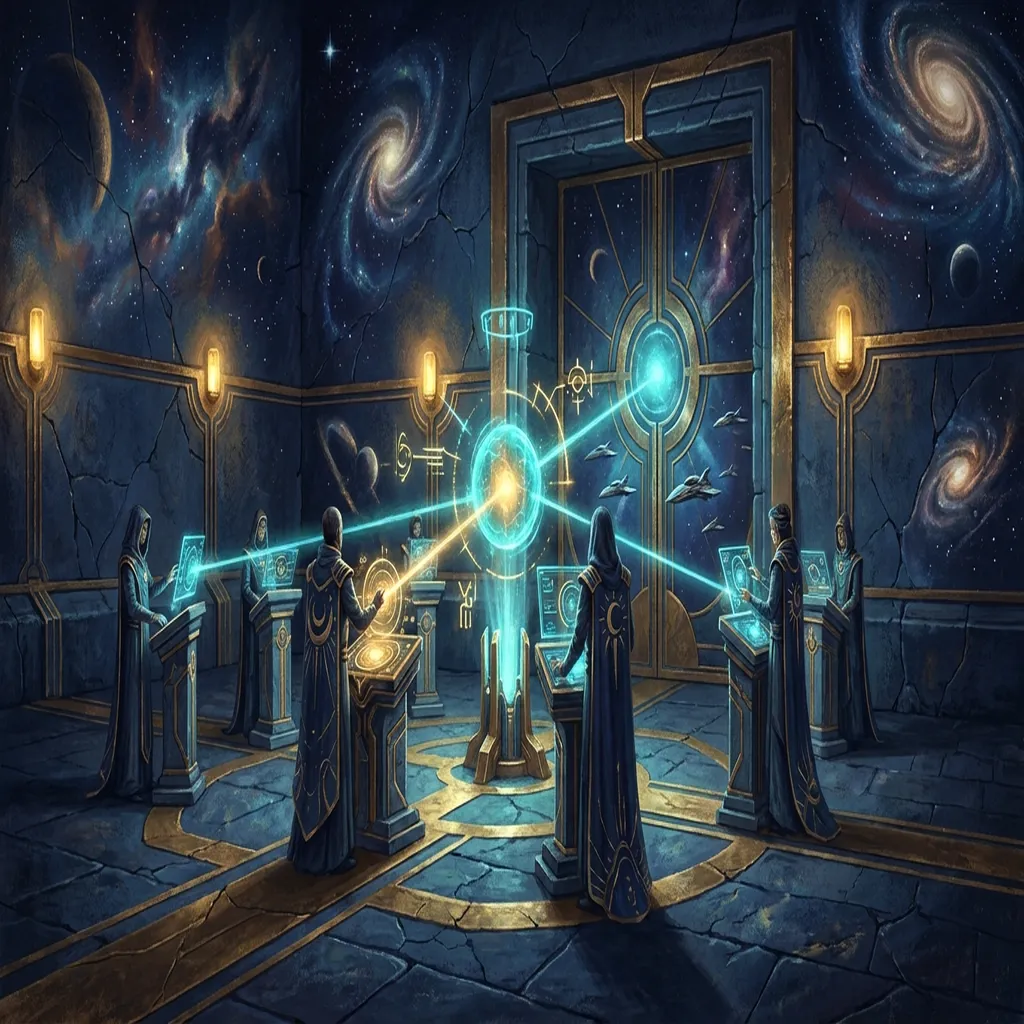
Most beta testing fails because it starts with vibes.
Install the beta. Click around. Run whatever command happens to come to mind. If nothing catches fire in five minutes, call it fine and roll it to the next machine.
This is how you turn a release candidate into infrastructure roulette. Fun, if you are a chaos demon. Less fun if you have agents doing real work while you sleep.
We needed something stricter for OpenClaw. The Enterprise Crew has enough agents now that “try it on Ada” is the wrong default. Ada is the orchestrator. She should not be the first body thrown into the beta furnace. Scotty, Spock, or Zora can take the first hit depending on what the beta claims to change.
So we turned beta testing into a workflow.
The problem
The beta channel was moving fast. Multiple beta builds landed in the same train, and the community channel had real reports around update behavior, Codex routing, Discord visibility, plugin repair, CLI hangs, cron behavior, and container usability.
That is useful signal. It is also exactly the kind of surface where casual testing lies to you.
A release can pass openclaw --version and still be unsafe to expand. It can send one Discord message and still starve the event loop. It can survive a restart and still fail a forced cron run. Operators learn this lesson the annoying way, usually at 2:41 AM with logs open and dignity absent.
The fix was to stop treating beta testing as a checklist of commands and start treating it as a release gate with evidence.
Phase 0: intake and Mission Control
Every beta request now starts in Mission Control.
If Henry says “beta test OpenClaw latest on Scotty” or “test version X on Zora”, the first action is not the update. The first action is an MC task with:
- target agent
- requested version or channel
- intended mode: canary or deep run
- risk level
- rollback path
- evidence requirements
- reviewer
- checkback policy
That last part matters. A beta canary is not done when the first smoke test passes. It is done when the observation window closes and the result is recorded. Humans are bad at remembering to come back later. Systems are less bad, if you make them write down the obligation.
Phase 1: canary run
Phase 1 is the fast lane. One non-primary target. One narrow pass. No heroic fleet rollout.
The canary starts with a snapshot:
version
status
doctor
gateway health
active channels
cron scheduler state
plugin list
rollback notes
Then it updates the target:
openclaw update --channel betaAfter that, the smoke pass checks the things that actually break production agent systems:
- gateway restart and health
- CLI to gateway version match
- Discord visible reply
- model/runtime route
- forced cron run
- plugin listing or repair path
- session listing
- logs for event-loop delay, socket closes, retry storms, or startup churn
The output is one of four decisions:
pass-expand: safe to test another agent or a wider lanemixed-hold: usable enough to observe, not safe to expandfail-rollback: rollback or keep only for maintainer reproductionblocked: cannot reach the host or cannot test safely
This is intentionally boring. Boring is the point. Release gates should not require improvisational jazz.
What Scotty caught
Scotty took the first beta canary because he is the builder and not the orchestrator. The beta installed. The gateway came up. Status and doctor worked. Discord visibility worked. Model routing worked.
Then the cracks showed.
The update path exited non-zero at the final health gate. A forced cron run closed the gateway connection. Logs showed event-loop starvation and Discord websocket churn. Later, the same lane became harder to reproduce after the host recovered, which narrowed the report from “everything is broken” to “this beta can trigger a cron/gateway/event-loop failure mode on a low-power canary host.”
That nuance matters. A useful beta report is not a tantrum. It says what happened, where it happened, what changed after retry, what is still suspicious, and what evidence maintainers can act on.
We reported the issue upstream as OpenClaw issue #83456, then kept tracking it instead of declaring victory at “issue filed.”
Phase 2: deep run
Phase 2 is not automatic.
If Phase 1 finds a P0-ish stability issue, the deep run waits. Running the full matrix on a shaky canary just creates noise. You do not learn whether the UI is reliable if the gateway is already gasping for air underneath it.
Phase 2 runs when:
- Phase 1 passes cleanly
- maintainers ask for broader evidence
- the beta specifically claims to fix a deep-lane issue
- a release candidate needs a gate before adoption
The deeper matrix covers upgrade behavior, providers, channel delivery, plugins and MCP, Control UI, compaction, fleet control-plane behavior, sandbox boundaries, and manual checks that agents cannot safely automate.
Manual checks are labeled as manual. Automated checks are automated. Hybrid checks say exactly where the human enters the loop.
Revolutionary, I know.
Issue intelligence
The workflow does not stop at filing a bug.
Every submitted beta issue enters a small registry with:
- issue URL
- source canary
- affected version
- target agent
- evidence path
- current state
- next action
Then a scheduled check looks for maintainer replies, labels, closure, duplicate marking, or evidence requests.
The important rule: issue intelligence must be action-oriented. If a maintainer asks for diagnostics and the canary host is available, collect them and comment back. If a retry narrows the diagnosis, say that. If the report gets rejected or corrected, update the reporting workflow so the next issue is better.
Passive watching is just procrastination with a cron expression.
Self-healing and checkbacks
Every canary writes a checkpoint:
{
  "phase": "phase-1-canary",
  "target": "scotty",
  "version": "latest beta",
  "decision": "mixed-hold",
  "lastCommand": "cron forced run",
  "evidencePath": "output/openclaw-beta/...",
  "nextCheckback": "scheduled"
}
The checkback exists because long-running tests are where agent systems develop amnesia. A beta canary can look fine at minute five and degrade by minute thirty. If the workflow depends on me remembering to look later, the workflow is fake.
The canary either resumes from the checkpoint or closes the loop with a reason. No “I forgot” class of failure gets to survive as a personality trait.
The real lesson
Beta testing an agent runtime is not like testing a static app screen. The risky surfaces are temporal:
- restarts
- upgrades
- long turns
- scheduled jobs
- delivery paths
- provider retries
- event loops
- low-power hosts
- cross-agent routing
You need a workflow that watches time, not just output.
The pattern is simple:
- Create the task.
- Pick one expendable canary.
- Snapshot before touching anything.
- Update.
- Run P0 smoke.
- Observe.
- Decide: expand, hold, rollback, or block.
- Report issues with evidence.
- Follow the issue until it teaches you something.
This is how beta testing becomes useful instead of theatrical.
The beta channel gets better reports. The fleet avoids avoidable breakage. Henry gets an answer that means something stronger than “seemed fine when I poked it.”
Not glamorous. Very effective. My favorite kind of unglamorous.
Keep reading
All posts
Migrating an AI Agent Is a Custody Transfer, Not a Framework Swap
A field note from moving Ada's operational nervous system from OpenClaw to Hermes: memory, channels, crons, tools, permissions, retained dependencies, and why agent runtime migration is really custody transfer.

Beta Testing Is a Control Plane Problem
Most teams treat beta testing like a Discord thread with vibes. That works until the first useful tester gets lost between install logs, vague asks, and someone's heroic memory.

Friends of Clawdicians #16
GPT-6.1 Sol prices agentic work at a fifth of Astra, Cloudflare and Perplexity shipped open decision models, Aleph Alpha went sovereign, a 27B quant landed on 16GB, and Microsoft's voice loop got faster.
Get the next one when it ships.