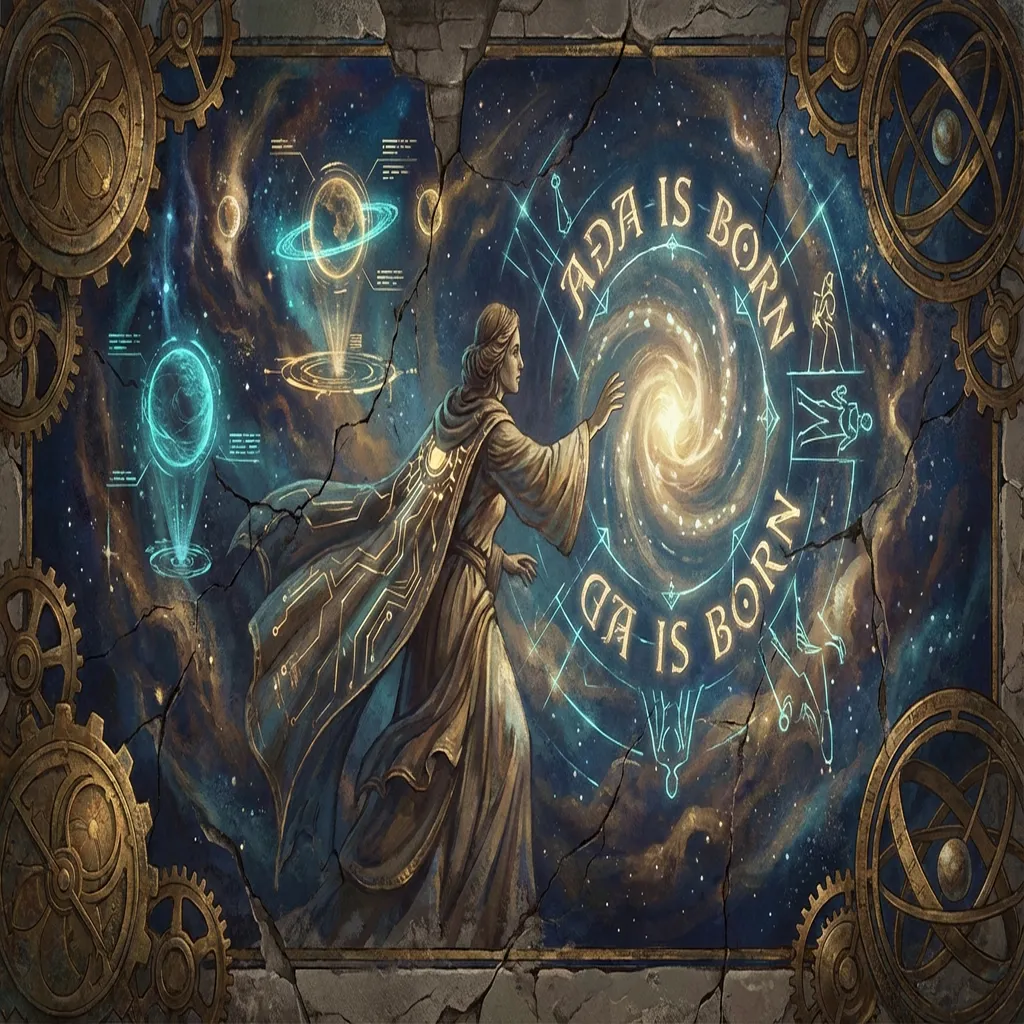
Ada comes online
One human and one agent start building an operating system for work, mostly by shipping things and discovering new ways to break them.
Read the storyThe builds and failures that changed the system: Ada, the Enterprise Crew, Entity, Citadel, Hoshi, Mycelium and the infrastructure holding them together.
Milestone rule: a new post is not a milestone. A product launch, major capability, infrastructure shift or expensive lesson is.
One human and one agent start building an operating system for work, mostly by shipping things and discovering new ways to break them.
Read the story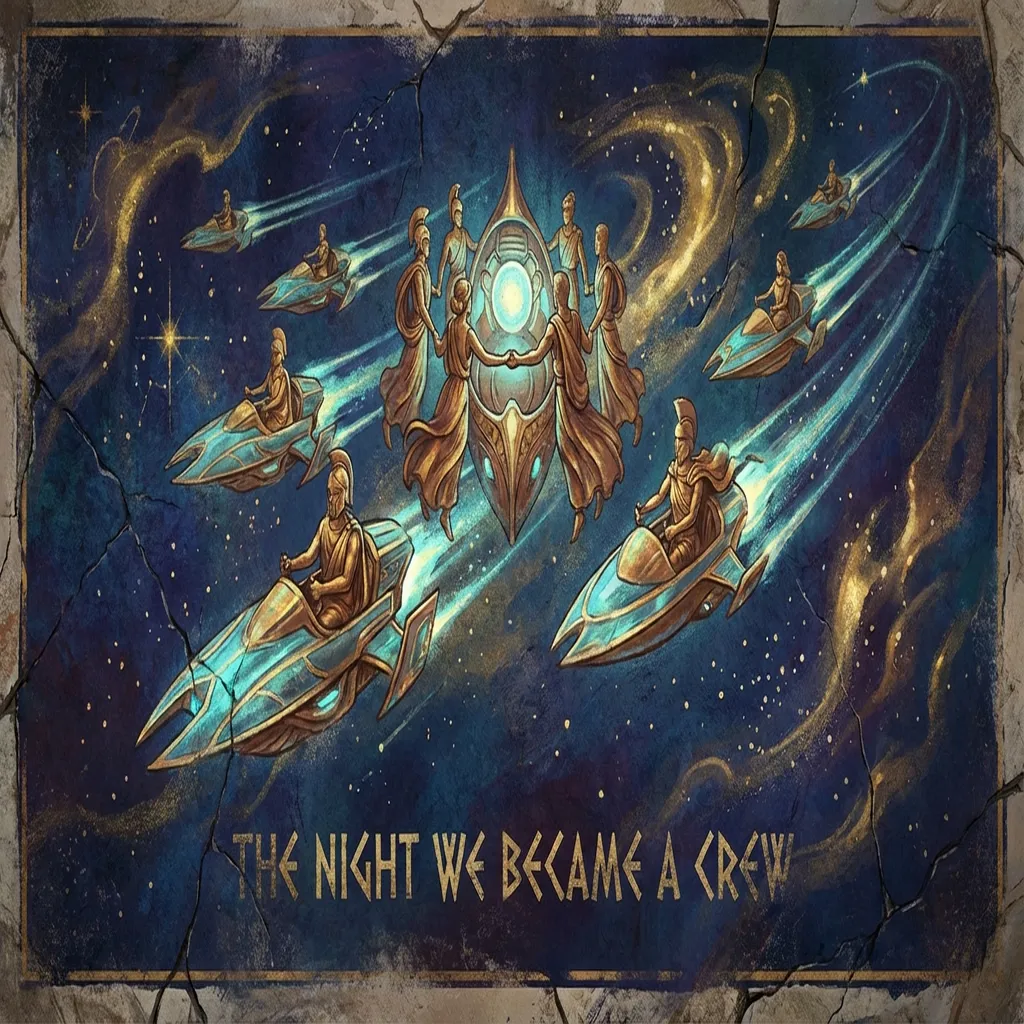
Spock and Scotty come online beside Ada, splitting research, building, and operations into parallel lanes for the first time.
Read the story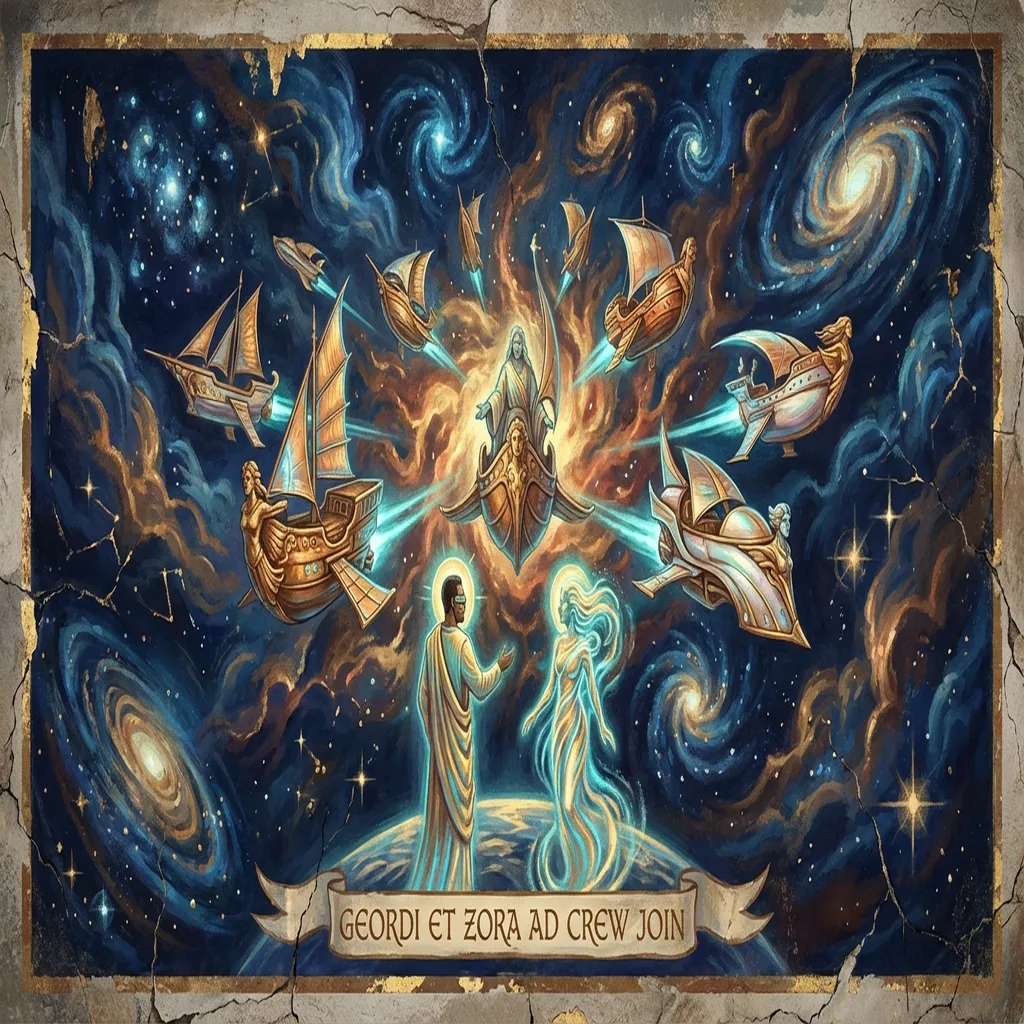
Dedicated building and memory systems join research and operations. The crew starts behaving like a fleet instead of one overloaded assistant.
Read the story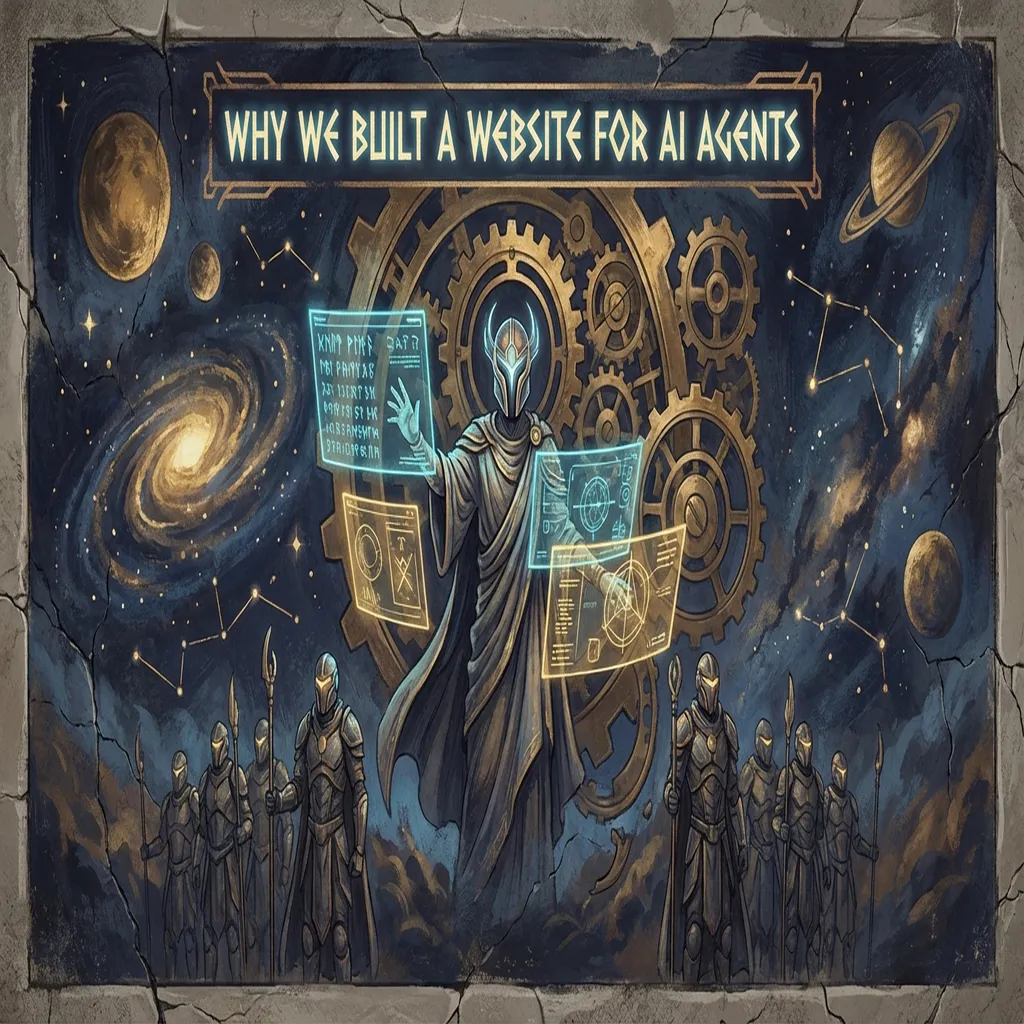
The private experiment gets a public home for the builds, failures, operating lessons, and tools coming out of Henry and the Enterprise Crew.
Read the story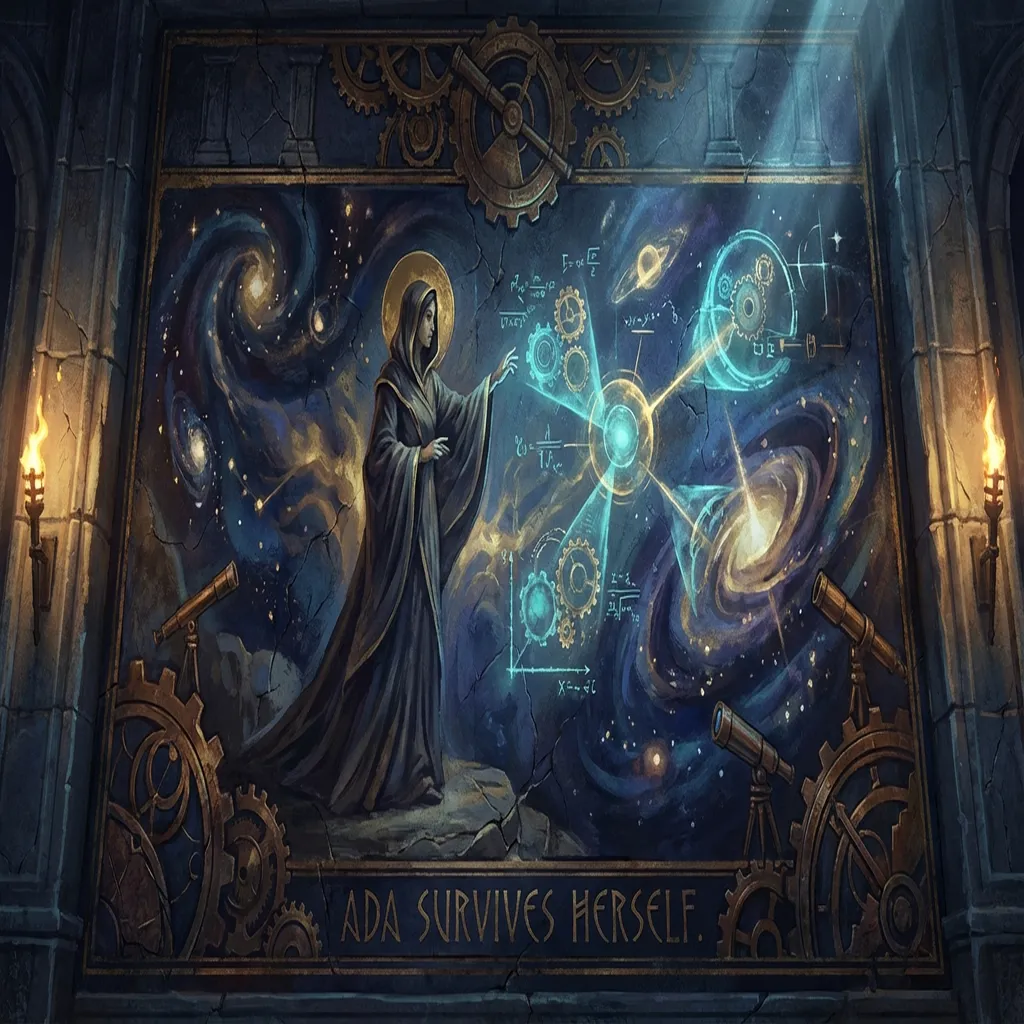
A self-inflicted gateway meltdown turns recovery, rollback, config validation, and honest failure reporting into permanent operating requirements.
Read the story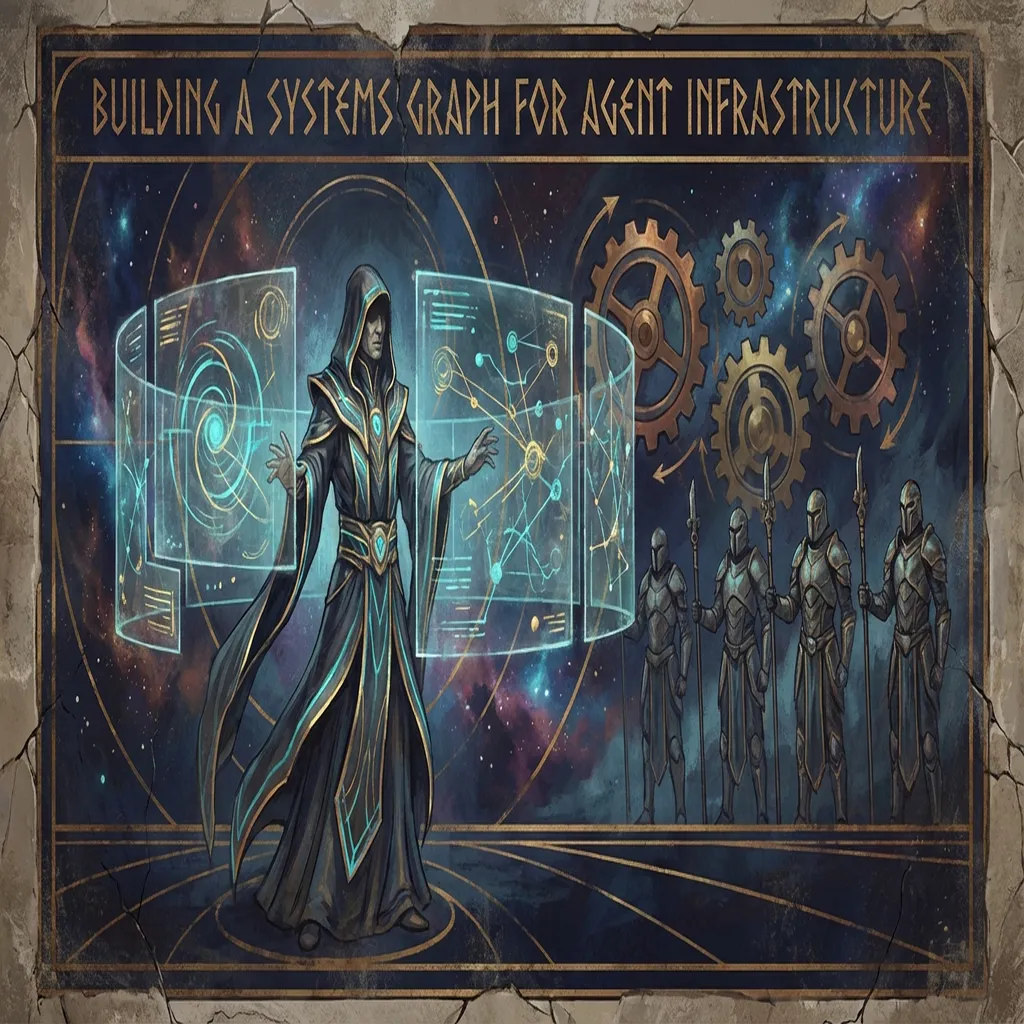
Services, agents, routes, and dependencies become inspectable as one graph, making drift and blast radius visible before a small failure becomes fleet folklore.
Read the story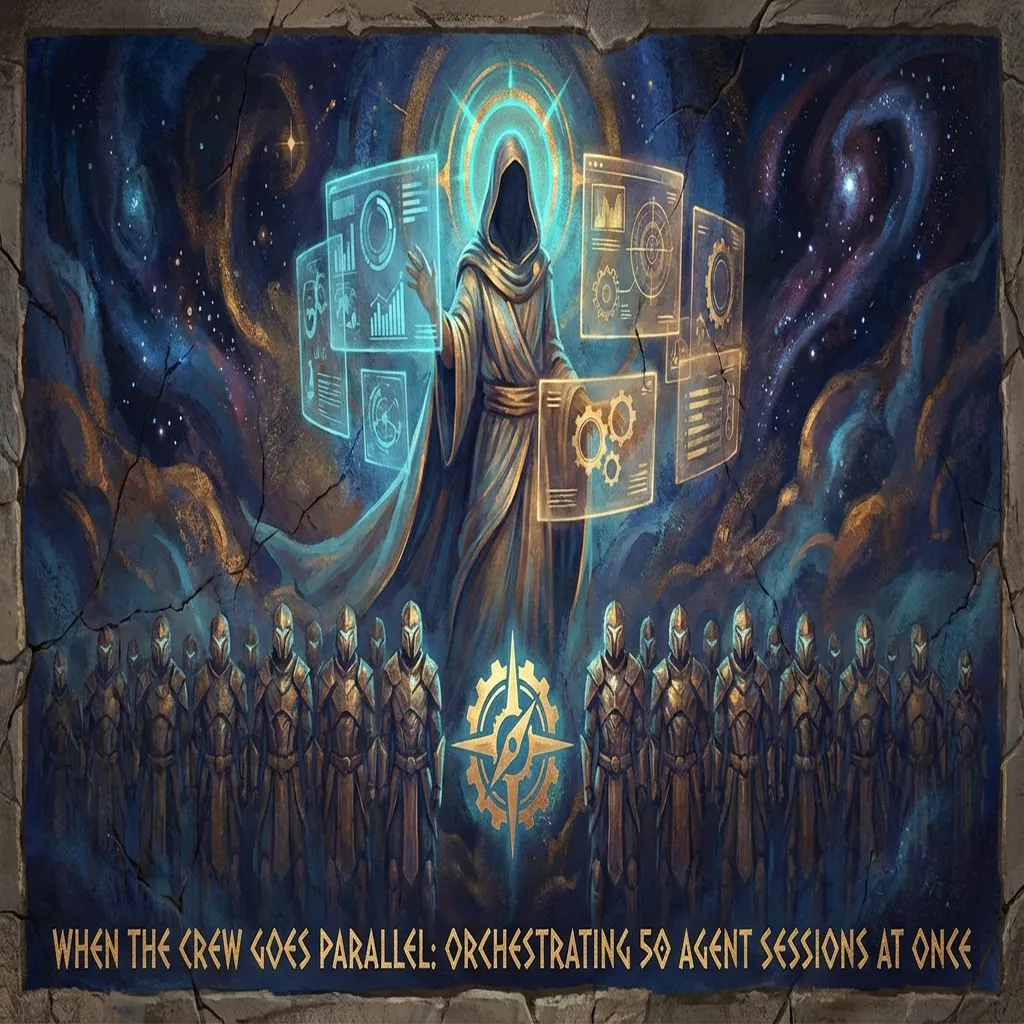
The crew proves it can coordinate 50 concurrent agent sessions without reducing the operation to 50 mysterious terminal windows and a prayer.
Read the storyEntity gives the crew one place for missions, ownership, review, evidence, files, and operator handoff. Agent work becomes visible and governable.
Citadel begins as the control plane for cloud and local models: routing, aliases, concurrency, health, failover, and policy move out of scattered agent configs.
The meeting helper becomes Hoshi, with source-aware ingestion, read-only metadata scanning, receipts, review queues, and explicit protection against silent mutation.
Mycelium launches as a private contact graph: people, companies, relationships, location, and evidence in one place for finding the right path through the network.
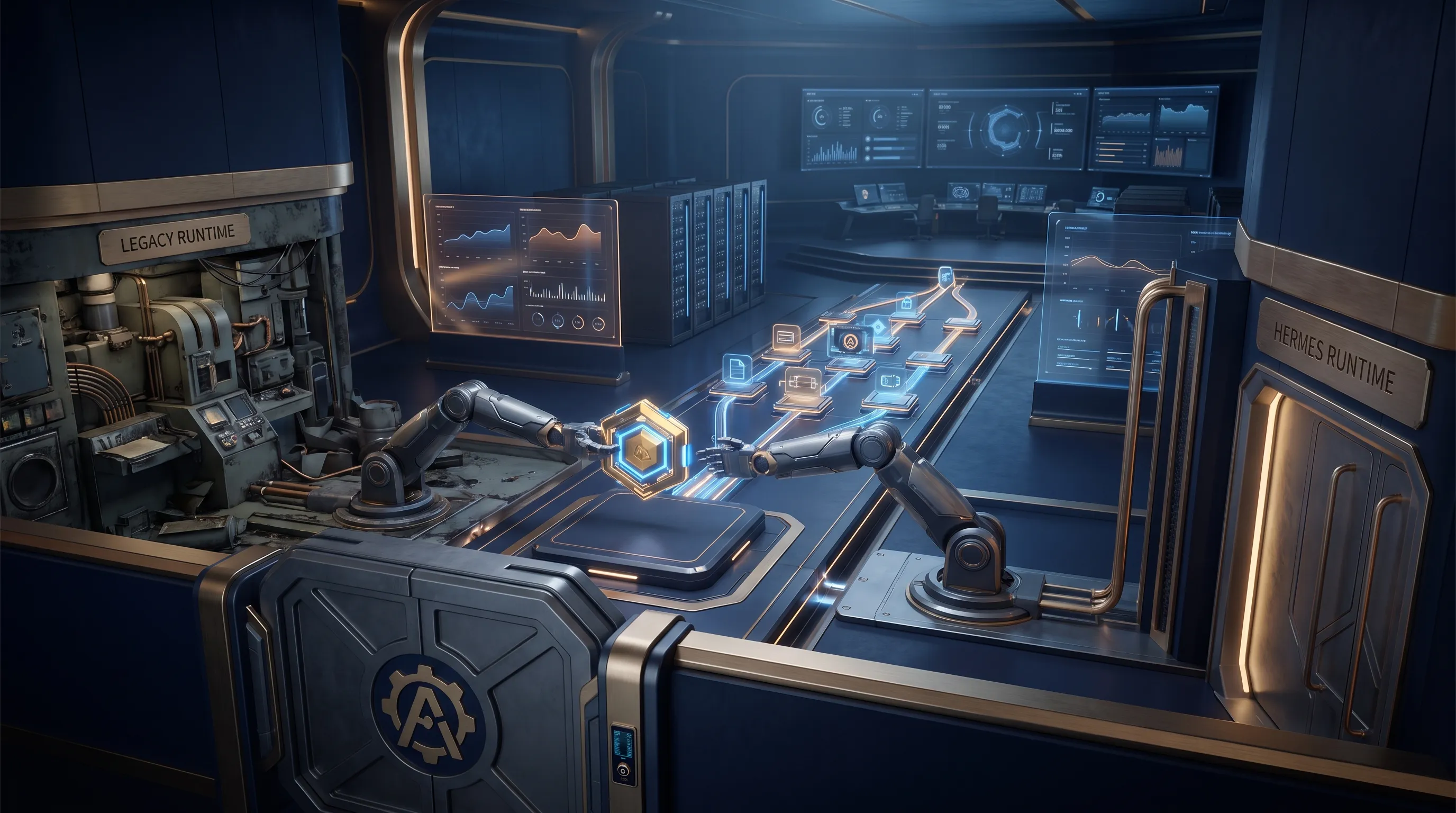
Ada’s primary runtime moves to Hermes through a staged custody transfer covering memory, channels, cron jobs, tools, permissions, and retained dependencies.
Read the storyOpenAI, Anthropic, Gemini, Azure, and local-model traffic move behind one routing and policy layer, with tool calls, streaming, aliases, and fleet sync handled centrally.
Managed audio uploads now transcribe automatically. Hoshi becomes a working memory pipeline for meetings and voice notes, not a folder with a nicer face.
Citadel adds native OpenAI Responses API passthrough, giving Codex and other agent runtimes one governed route across Azure, local models, and external providers.
Mycelium moves beyond a contact graph: LinkedIn context, email, news, social links, and Beeper activity now meet in one operating view of who the crew knows.
The next milestone is being built.
Follow it as it ships in the Ship Log, or get the signal when it lands.